


How to Use a Light Table for Quilting
From Piecing to Quilting, a Light Table has you covered!
When my husband first bought me a light table; I knew I wanted one but wasn’t sure how much I would use it. Since then, I’ve found I use that thing more than I ever thought possible.
A light table, or light box, is a pretty straight forward device used to copy, or trace an image onto another surface. We quilters have found a use for them for tracing and even placing fabric across many quilting techniques. Here are a few of the ways I use my light table.
Applique
When creating an applique project, especially from a pattern, you will need to trace a ‘mirror image’ of your pattern onto your fabric to cut out the desired shape(s). A light table works beautifully for this purpose because you can see the lines from the paper easily through the fabric that you’re working with.
For me, I like to use the ‘Raw Edge’ applique technique. Therefore, I usually trace the applique patterns onto double sided fusible interfacing, fuse it to the wrong side of the fabric, then cut out the design.

This can work for turned edge applique as well. Instead of cutting directly on your drawn line, you can cut around it leaving at least 1/4 inch for the seam allowance.
Foundation Paper Piecing
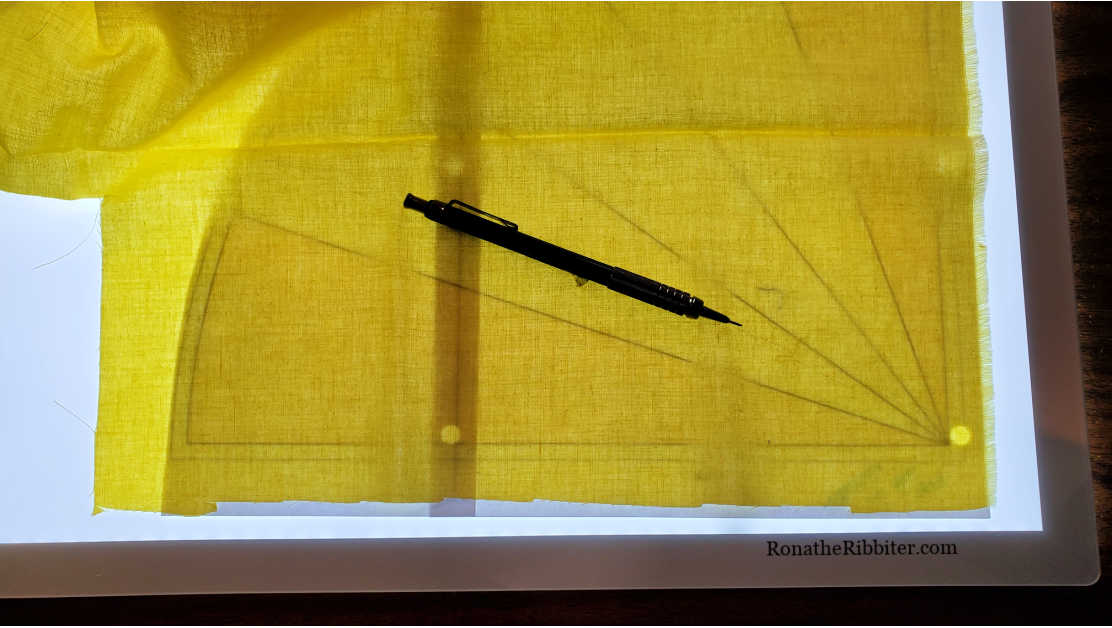
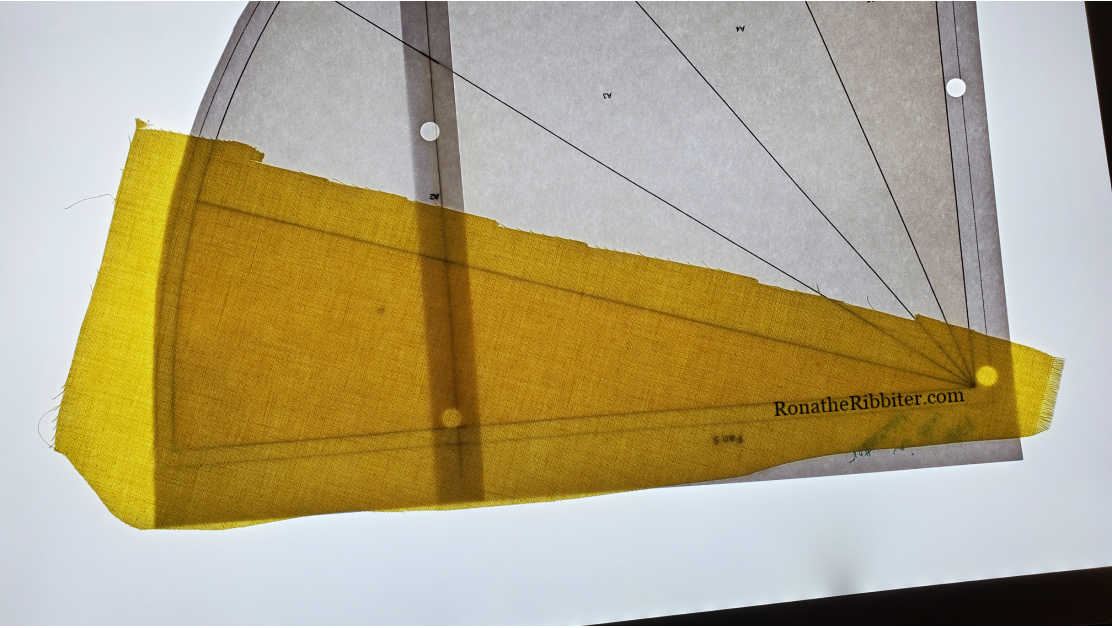
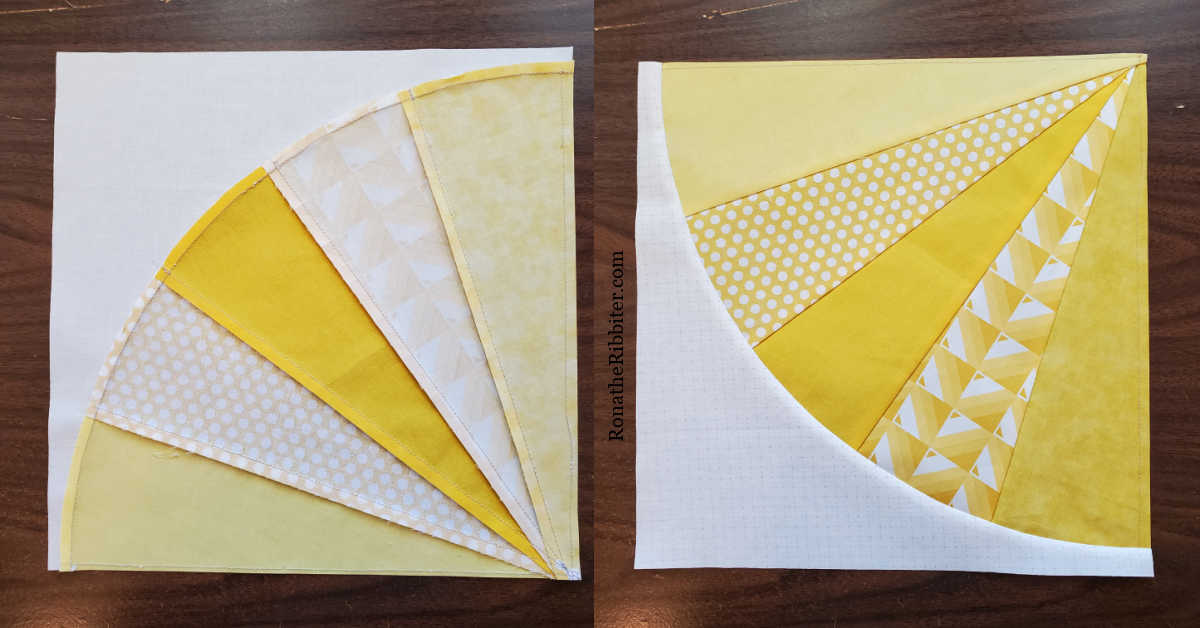
Another fabulous use for how to use a light table in quilting is for Foundation Paper Piecing (FPP). When adding each fabric piece you need to leave at least 1/4 inch seam allowance for stitching. This can be kind of tricky to not only make sure there’s enough room, but also keep the pieces flat for stitching and pressing.
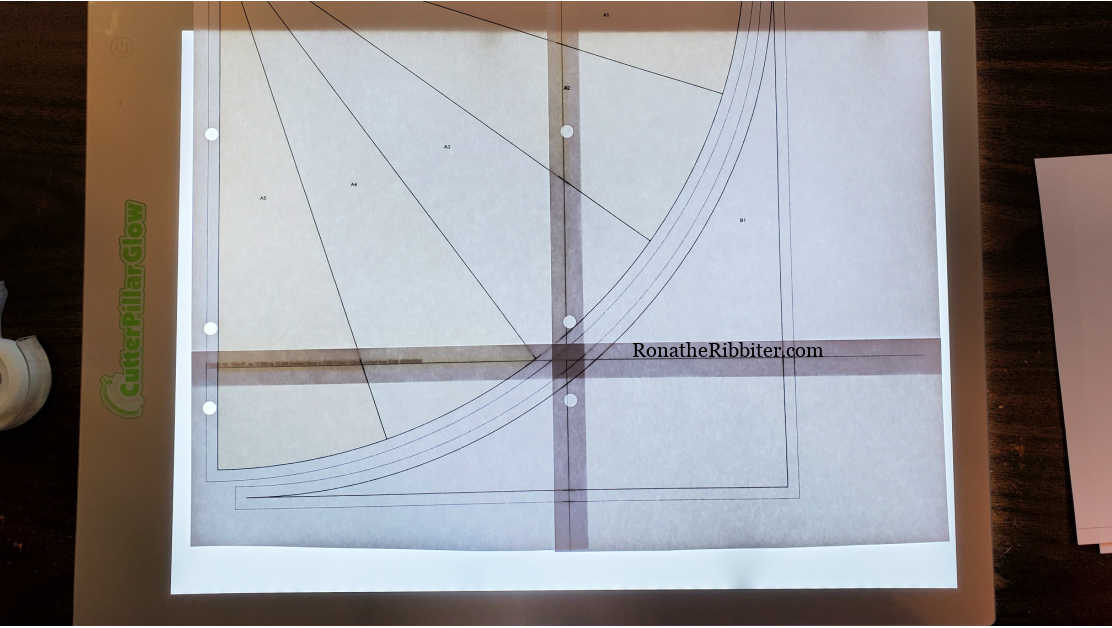
Light table to the rescue! By using the light table, you can see through the fabric and paper to easily line up your fabric edges while still keeping the fabrics flat. This helps give your FPP blocks a nice finish.
Drawing Quilting Sandwich Designs
If you’re a quilter that likes to do your own sandwich quilting, a light table can come in handy for this as well.
When I made my November Rain quilt, I decided to draw my own quilting design to stitch. I wanted to use the same design repeated over each block section. But I didn’t want to draw each one out over and over onto the fabric.
Instead, I used my light table to copy the pattern I’d drawn on paper and put it onto a plastic template. I then used the plastic template and powdered chalk to easily recreate my quilting design over and over with little effort.

Over the years I’ve also used my light table for testing new pattern designs, making multiple copies of the same design (think feathers, stars and teardrop shapes, etc.) You’ll be amazed at how many ways there are to use a light table with quilting!
